American Coquette: Infusing Patriotic Charm Into Your Designs
There’s a certain energy that surrounds American holidays and celebrations—the red, white, and blue bunting, the crisp lines of a flag in the breeze, the timeless appeal of classic Americana. Capturing that feeling in a design project isn’t always straightforward. You want something that feels genuinely patriotic, but also stylish, modern, and versatile enough for a variety of applications. That’s where a typeface like American Coquette comes into play. It’s more than just a set of letters; it’s a design asset built to evoke a specific, spirited aesthetic, making it a compelling choice for anyone looking to inject a dose of national pride into their work.
Understanding the Font's Visual Personality
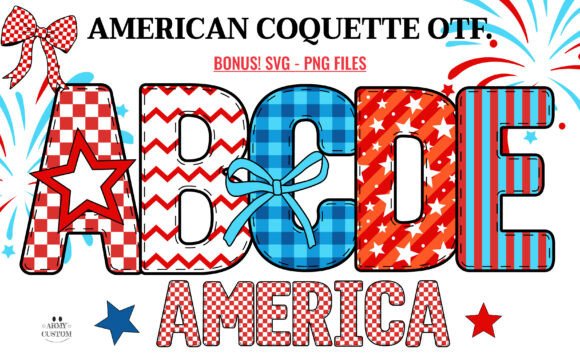
American Coquette is a display font, meaning it’s designed for impact rather than long-form body text. Its visual character is directly inspired by the heart of the United States, aiming to capture the charm and spirit of American aesthetics in every curve and line. Think of it as a typographic tribute to the Land of the Free. The design likely balances classic serif or sans-serif foundations with decorative, patriotic flourishes—perhaps star motifs, subtle flag-inspired textures, or a bold, confident weight that commands attention. This isn't a quiet, background font. It’s a statement piece, a creative font meant to be the focal point of a headline, a logo, or a social media graphic. Its strength lies in its ability to immediately communicate a theme of celebration, tradition, and national pride, making it a valuable piece in a designer's toolkit for specific, targeted projects.
Practical Applications Across Creative Projects
Where does a font like this truly shine? Its unique personality makes it suitable for a wide range of applications where a patriotic or celebratory tone is desired. For small business owners and entrepreneurs, this could be the key to unlocking branding that resonates during key national moments. Imagine using it for a Fourth of July sale banner, a Memorial Day menu for a café, or the logo for a brand that proudly manufactures its products in the USA. The font becomes part of the brand identity, instantly conveying values of heritage and quality.
For content creators, marketers, and bloggers, American Coquette is a potent tool for seasonal engagement. Social media graphics for holiday weekends, blog headers for posts about summer traditions, or email newsletter designs for patriotic promotions can all benefit from its distinctive style. It helps your content stand out in a crowded feed and immediately signals the topic to your audience. In packaging design, it could adorn a label for a specialty food item or a craft beer, telling a story of American roots. For event planners or individuals, it’s perfect for creating memorable invitations for a backyard barbecue, a community parade, or a national holiday party. Even in editorial layouts for magazines or digital products, this typeface can set the tone for a feature story on American history, travel, or culture.
Making It Work: Readability, Pairing, and Professionalism
Using a decorative or display font effectively requires a bit of strategy. The first consideration is always readability. While American Coquette is designed for impact, it’s crucial to test it at the size and in the context where it will be used. A highly stylized script or handwritten font might be beautiful for a logo but challenging to read in a smaller headline. Always prioritize clarity for your intended audience and medium.
Next is font pairing. A bold, thematic font like this rarely works well set alongside another equally strong typeface. The key is contrast and harmony. Pair it with a clean, neutral sans-serif font for body text or supporting information. For example, a strong, patriotic display font for a headline could be balanced by a simple, modern sans-serif like Montserrat or Lato for the paragraph text beneath it. This creates a visual hierarchy that is both appealing and easy to follow. Testing these pairings before finalizing a design is a non-negotiable step.
From a practical standpoint, it’s important to understand the files you’re working with. The American Coquette font package includes both a standard black version and a color version. The black version, typically in OTF or TTF format, offers broad compatibility, including with popular cutting machines like Cricut Design Space. This makes it a fantastic resource for crafters creating physical merchandise, decals, or apparel. The color version, however, is a more specialized design asset. It’s compatible with professional design programs like Adobe Photoshop, Illustrator, Silhouette Studio, and Inkscape, but not with Cricut or other basic cutting software. This distinction is vital for planning your workflow and ensuring you have the right tools for the job.
Leveraging This Asset for Brand and Audience Connection
Ultimately, choosing a font like American Coquette is about more than just aesthetics; it’s about communication and connection. For a brand, using this typeface strategically during patriotic holidays can strengthen brand recognition and show alignment with shared cultural values. It demonstrates a thoughtful approach to seasonal marketing that can deepen audience engagement. For a designer or creator, it’s a tool to deliver a specific mood and message efficiently. When a client asks for a design that feels “celebratory and American,” having this premium font in your library provides a ready-made solution that elevates your professional presentation.
Remember, the goal is to use typography to serve the project. Whether you’re designing a logo, a poster, a website banner, or a set of social media graphics, the font should reinforce the message, not distract from it. Review the included font styles within the family, consider the commercial licensing to ensure it fits your project’s scope, and always design with your end audience in mind. Used thoughtfully, a typeface with this much character can become a cornerstone of a memorable visual campaign, turning a simple design into a resonant statement.