Ayesha: The Bold Display Typeface for Unforgettable Designs
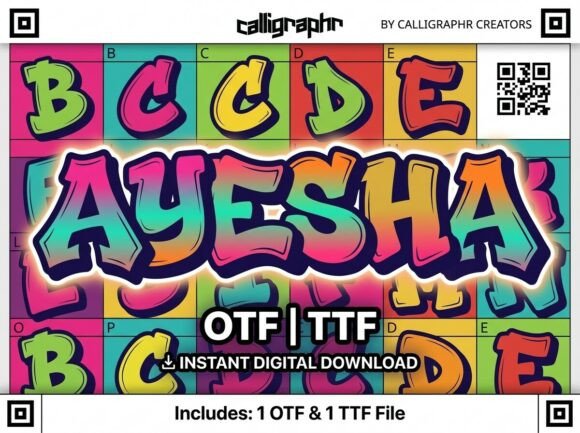
Imagine a font that doesn't just sit quietly on a page but demands to be seen. That's the energy Ayesha brings to the table. This isn't your typical, run-of-the-mill typeface; it's a meticulously crafted decorative display font built for moments when your typography needs to make a powerful statement. If you've ever felt stuck choosing between a standard serif or sans serif font and something with more artistic flair, Ayesha offers a compelling middle ground—unique enough to capture attention, yet polished enough for professional applications.
When Your Project Needs More Than Just Letters
Every designer knows the feeling: a project calls for typography that does more than convey information—it needs to evoke emotion, establish a mood, or instantly communicate a brand's personality. This is where a typeface like Ayesha shines. Its intricate details and creative letterforms give it a visual personality that’s hard to ignore. Think of it as a design asset that can single-handedly elevate a layout. For a modern poster, the bold, artistic strokes can create a headline that people genuinely can't look away from. For a brand identity, especially for creative businesses like boutique studios, artisan bakeries, or indie music labels, it helps build a unique visual language from the ground up.
The practical value extends far beyond aesthetics. In a crowded digital space, standing out on social media is a constant challenge. Using Ayesha for quotes, announcements, or key headlines in your graphics can make your content pop in a saturated feed. It’s the kind of font that stops the scroll. Similarly, for packaging design, it gives products an instant premium, artistic shelf presence. Whether it's on a coffee bag, a cosmetic box, or a craft beer label, the typography itself becomes part of the product's story, suggesting quality and creativity before the customer even reads the description.
Finding the Right Fit: From Apparel to Event Branding
One of the key strengths of a versatile display font is its range of applications. Ayesha is perfectly suited for apparel and merchandise designs. Picture its distinctive letterforms on a T-shirt, hoodie, or tote bag—it transforms everyday items into wearable art or statement pieces. This makes it a fantastic tool for entrepreneurs launching a clothing line or creators selling merch to their audience. The font carries its own weight, so even a simple design feels intentional and curated.
For event organizers and musicians, the font is a natural fit. Album covers, festival flyers, and event branding all rely on strong visual impact. Ayesha can help create that "wow" factor, setting the tone for the event or music before a single note is heard or a ticket is purchased. It’s also an excellent choice for editorial layouts in magazines or lookbooks, where a striking pull quote or section header can guide the reader's eye and break up long blocks of text. In the realm of digital products, like online course graphics or e-book covers, it can add a layer of professionalism and visual appeal that enhances perceived value.
Practical Tips for Working with a Bold Typeface
Choosing a font like Ayesha is just the first step. Using it effectively requires a bit of strategy. First, always consider your project's goals and audience. A bold, artistic display font is fantastic for headlines and logos, but it’s rarely the best choice for long-form body text. Its intricate details can reduce readability in smaller sizes. The golden rule is to pair it thoughtfully. Combine Ayesha with a clean, simple sans serif or serif font for body copy. This creates a balanced hierarchy where the display font commands attention, and the supporting text remains easy to read. Test different font pairings to see what feels cohesive.
Compatibility is another practical consideration. A major advantage of a premium font like this is its seamless integration with professional design software. It works smoothly in Adobe Illustrator, Photoshop, and InDesign, which is essential for complex branding or print projects. However, the modern design landscape also includes more accessible tools. The fact that it's compatible with platforms like Canva is a huge plus for small business owners, content creators, and hobbyists who might not have advanced software but still want to create high-quality social media graphics, presentations, or marketing materials.
Before finalizing any design, always review the included font styles. Many professional fonts come with a family of weights or alternate characters. Understanding what's available—whether it's a bold weight, a condensed version, or stylistic alternates—gives you more creative flexibility. Finally, a crucial but often overlooked step: check the licensing. If you're using the font for commercial projects—like client work, merchandise for sale, or business branding—ensure you have the appropriate commercial license. This protects you legally and supports the type designers who create these valuable assets.
Building a Cohesive Visual Identity
Ultimately, typography is a cornerstone of visual communication. The right typeface does more than decorate; it builds recognition, conveys professionalism, and engages your audience on an intuitive level. A font with a strong personality, like Ayesha, can become a recognizable element of your brand identity. When used consistently across your website, social media graphics, packaging, and print materials, it helps create a unified look that people start to associate with your business or creative work. This consistency is key to building trust and standing out in a competitive market.
Whether you're a designer looking for a standout typeface for a client's rebrand, a marketer aiming to create more engaging ads, or a hobbyist crafting invitations or personal projects, exploring fonts with character is a worthwhile endeavor. Ayesha represents the kind of modern typography that bridges artistry and function. It’s a creative font that doesn’t sacrifice polish, offering a tool to make your designs not just seen, but remembered. The next time a project calls for something extraordinary, consider letting your typography do the talking.