Delyra Script: The Font That Feels Like Your Signature
There's a particular kind of magic in a handwritten signature. It's personal, fluid, and uniquely yours—a small flourish that carries weight and authenticity. In a digital landscape saturated with uniformity, that human touch is more valuable than ever. This is precisely the space where Delyra Script operates, offering a modern signature font that bridges the gap between the convenience of digital type and the irreplaceable charm of a personal mark. It’s designed not just to be read, but to be felt, capturing the organic rhythm and effortless grace of a hand-lettered signature in a versatile, usable format.
Capturing an Authentic, Hand-Drawn Aesthetic
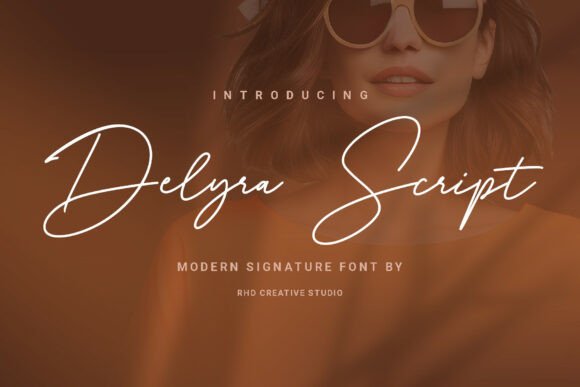
What sets a script font like Delyra apart from a standard serif font or sans serif font is its inherent personality. Where geometric fonts communicate precision and stability, a handwritten font conveys warmth, creativity, and approachability. Delyra Script excels here with its fluid, hand-drawn strokes and sweeping loops. The elegant terminals and slight variations in line weight mimic the pressure and release of a pen on paper, avoiding the sterile, repetitive look of many digital fonts. This isn't a rigid, formal calligraphy; it's a contemporary, relaxed signature that feels both sophisticated and genuine. This visual character makes it a powerful creative font for projects that need to establish an immediate emotional connection.
Practical Applications Across Creative and Commercial Projects
The true test of any premium font is its versatility. Delyra Script’s design makes it a remarkably adaptable design asset for a wide range of applications. For entrepreneurs and small business owners, it becomes a cornerstone of brand identity. Imagine it gracing the logo of a boutique bakery, a lifestyle coach, or a handmade jewelry line—it instantly communicates a personal, crafted touch that aligns with artisan values.
Its applications extend far beyond a primary logo. Consider these practical uses:
- Packaging Design: Use it for product names or special labels on artisanal goods, cosmetics, or gourmet foods to suggest care and quality.
- Wedding Stationery & Invitations: Perfect for elegant save-the-dates, thank-you cards, and ceremony programs, adding a romantic and personal flair.
- Social Media Graphics: Create standout quotes, sale announcements, or Instagram story headers that stop the scroll with their handwritten charm.
- Professional Watermarks: Photographers and artists can use a tasteful application of Delyra to sign their digital work without overwhelming the image.
- Editorial Design & Blogs: Ideal for pull quotes, chapter titles, or featured article headers in magazines or blog layouts, adding visual interest and breaking up text-heavy pages.
- Merchandise & Marketing Assets: Apply it to tote bags, mugs, or promotional materials to create cohesive and desirable branded merchandise.
Enhancing Brand Recognition and Audience Engagement
Consistency is the bedrock of strong branding, and typography is a key component of that visual system. Integrating a distinctive typeface like Delyra Script into your brand identity toolkit does more than just look pretty—it builds recognition. When your audience repeatedly encounters the same elegant, flowing letterforms across your website, social media, and print materials, it creates a subconscious association. They begin to recognize your brand's "voice" visually before they even read the words.
This recognition directly fuels engagement. A well-chosen display font for headlines and call-outs can guide the viewer's eye, emphasize key messages, and make your content more memorable. For a content creator or blogger, using Delyra for post titles can make your work feel more curated and professional, encouraging readers to linger longer. For a marketer, it can make a call-to-action feel more personal and compelling, potentially increasing click-through rates.
Making Smart Typography Choices for Your Project
While the allure of a beautiful script font is strong, successful implementation requires thoughtful consideration. Here’s some practical advice for using a font like Delyra effectively:
- Consider Readability First: Script fonts are best used for short, impactful text—headlines, logos, and accent phrases. Avoid using them for long paragraphs of body copy, as their intricate forms can become tiring to read at length. Pair Delyra with a clean, highly legible sans serif font or a classic serif font for body text to create a balanced and readable hierarchy.
- Test Font Pairings: The best font pairing creates contrast and harmony. Delyra’s organic, flowing style pairs beautifully with geometric sans serifs (like Montserrat or Lato) for a modern look, or with traditional serifs (like Garamond or Playfair Display) for a more classic, elegant feel. Always test your pairings in context to see how they interact.
- Review Included Styles: A quality commercial font often includes more than one style. Check if Delyra offers different weights (Light, Regular, Bold) or stylistic alternates. These variations provide flexibility, allowing you to create emphasis and nuance within your designs while maintaining a cohesive look.
- Understand Licensing: For any professional or commercial use—from client work to products for sale—ensure you have the correct commercial font license. This protects you legally and supports the type designers who create these valuable tools. Reputable foundries and marketplaces are clear about their licensing terms.
Ultimately, choosing a typeface is about matching its personality to your project's goals. Delyra Script isn't the right choice for a corporate legal firm's annual report, but it’s a definitive choice for a high-end boutique, a romantic wedding, or a creative entrepreneur's personal brand. It’s a tool for injecting humanity and style into the digital space. By understanding its strengths and applying it thoughtfully, you can leverage its effortless grace to elevate your work, making every touchpoint with your audience feel intentionally crafted and genuinely personal. It’s more than a collection of letters; it’s the signature of your style.